My Work
Maker Projects
Street Light
Summary
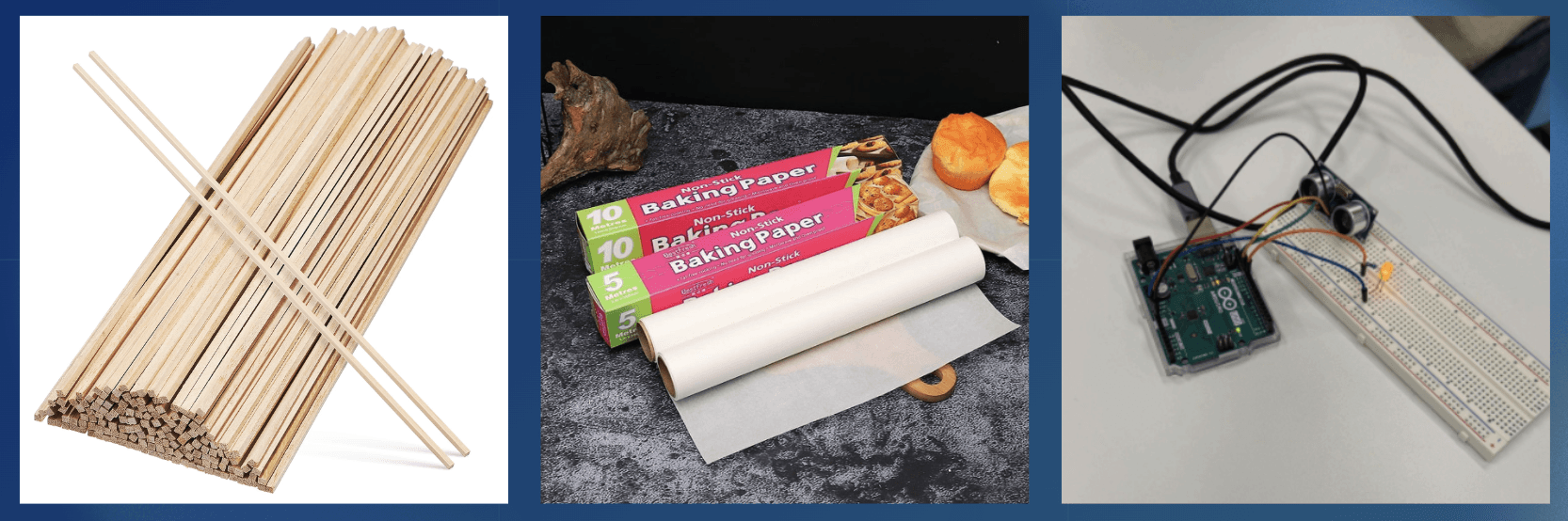
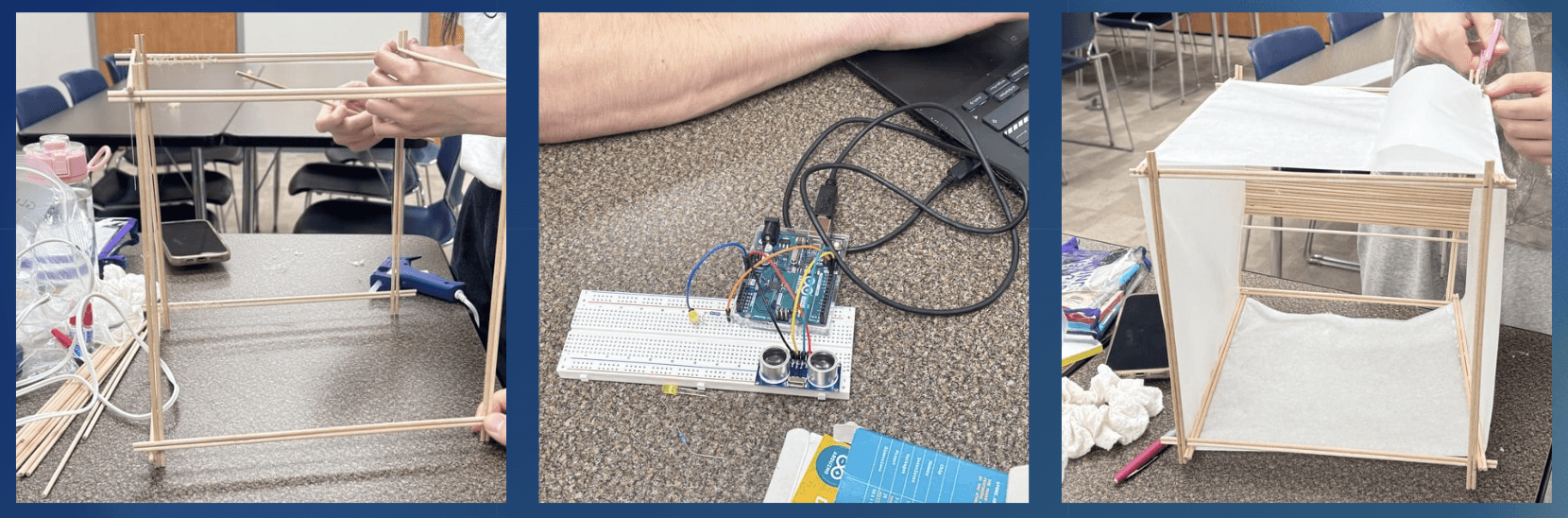
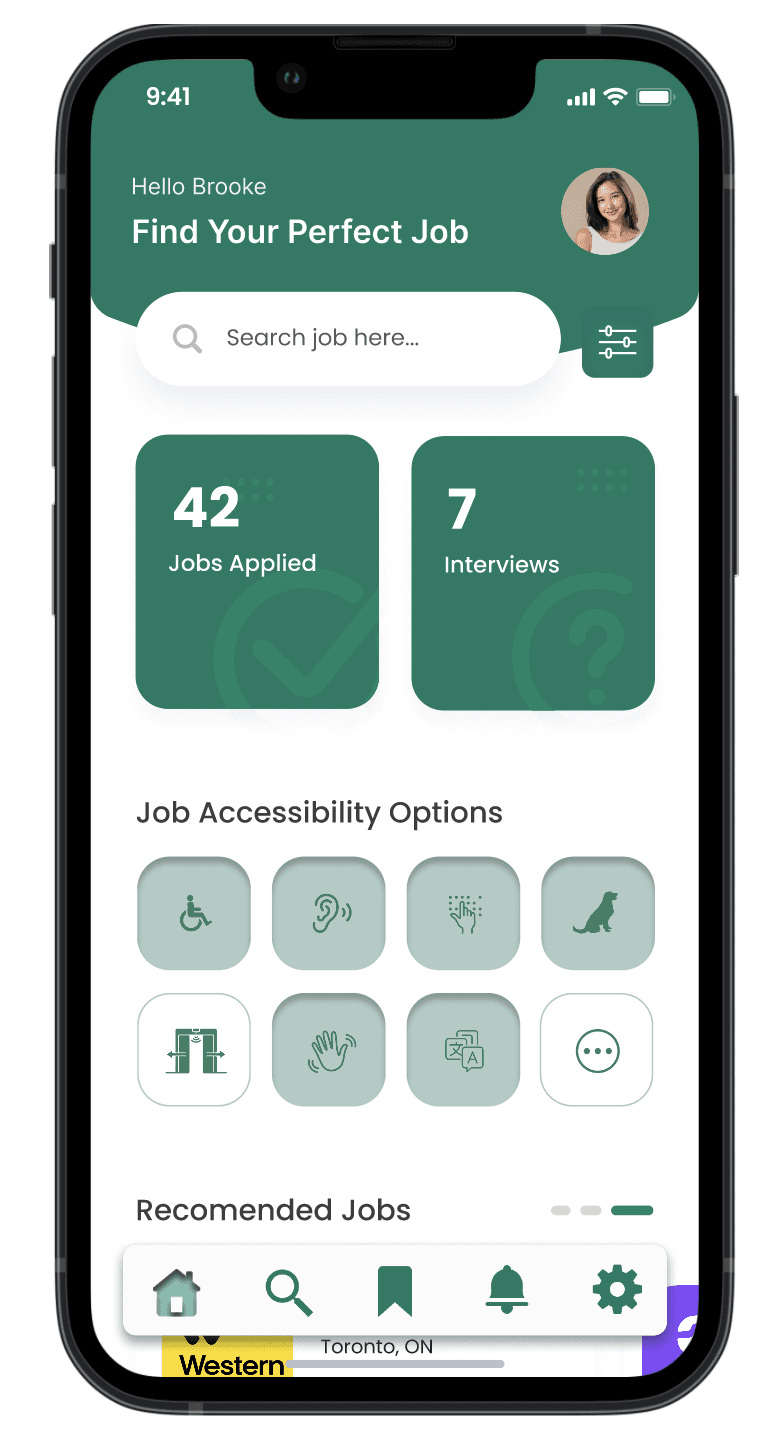
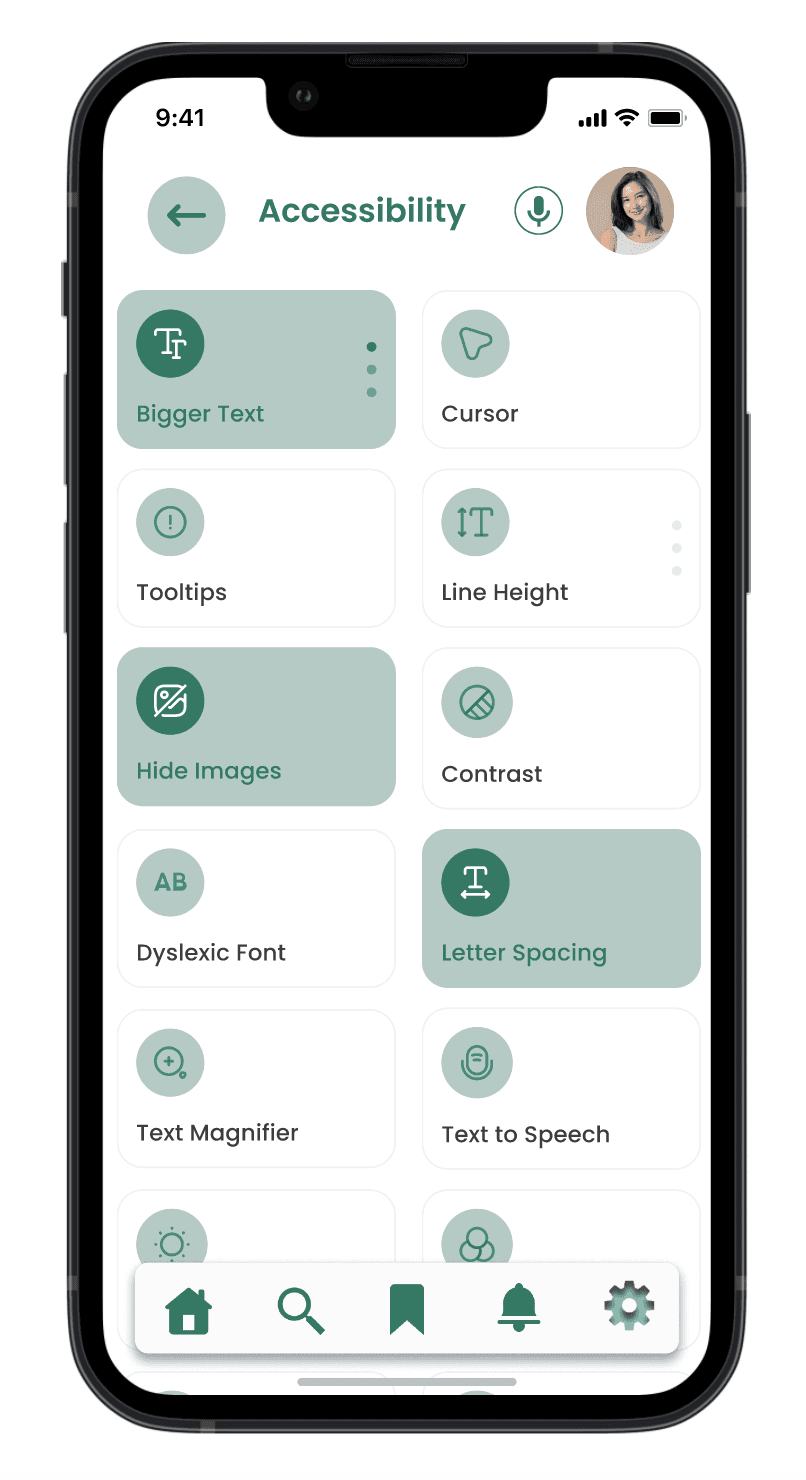
For the second approach on the Street Light, we took the lamp from the first round and upgraded it in two big ways. We rebuilt the frame out of wooden sticks for a more solid and structured look, kept the parchment paper as our diffuser because it gave off that soft calm glow we liked, and refined the Arduino code so the ultrasonic sensor and LEDs worked together the way we originally envisioned. The bigger accomplishment though was extending the project into an IoT concept. We designed an app that maps every lamp across Brantford in real time so people can plan a lit route home before they even step outside. That turned a single lamp into a whole connected safety network.
Problem
The Arduino side was still where most of our challenges came from. Getting the sensor placement right and fine tuning the code so the brightness responded smoothly to distance took a lot of back and forth. Building the wooden stick frame also took patience because we wanted it to look clean and hold everything together without hiding the light diffusion we had worked hard to get right.
Project Lessons
The big lesson from SDP2 was that designing this lamp is more strategic than it looks from the outside. You have to think about how people sense the world through both sight and sound, and you have to think carefully about where in a city these lamps would actually be useful. Adding the IoT layer also taught us that physical design and digital design are not separate things. The lamp and the app had to make sense together for the whole idea to work. This project pushed me even further into thinking like the user. Imagining a person walking through a dark part of Brantford at night, maybe feeling unsafe and looking for a lit path home, made me design with their experience first instead of starting from the technology. The IoT extension also showed me how UX work connects the physical world and the digital world into one experience
Production methods
We took the feedback from the SDP1 Show and Tell seriously and used it as our starting point instead of trying to reinvent everything. We tested the sensor in different placements until we found one that picked up movement consistently, and we built the code up piece by piece instead of all at once. For the frame we planned the wooden stick build ahead of time rather than figuring it out as we went.The wooden stick frame worked because it gave the lamp a sturdier and more finished feel than the cardboard from SDP1. Keeping the parchment paper worked because the soft diffused glow is really the heart of what makes the lamp feel welcoming instead of harsh. The IoT app concept also worked because it pushed the project past just one object and into a system that could actually serve a whole community.
Instant Assist
Have Siri place an order
while on-the-go.
Enjoy these concept ideas? Have a look at some of my other work!
NEW
UX Case Study
•
DiversiHire

Based in Toronto, Ontario
Open to Relocation ✈️
Projects
Projects
Reach me at:
Follow Me:
© This site was designed and developed by Darryl Hawthorne 2026
© This site was designed and developed by Darryl Hawthorne 2026
darrylh1301@gmail.com

My Work
Maker Projects
Street Light
For the second approach on the Street Light, we took the lamp from the first round and upgraded it in two big ways. We rebuilt the frame out of wooden sticks for a more solid and structured look, kept the parchment paper as our diffuser because it gave off that soft calm glow we liked, and refined the Arduino code so the ultrasonic sensor and LEDs worked together the way we originally envisioned. The bigger accomplishment though was extending the project into an IoT concept. We designed an app that maps every lamp across Brantford in real time so people can plan a lit route home before they even step outside. That turned a single lamp into a whole connected safety network.
The Arduino side was still where most of our challenges came from. Getting the sensor placement right and fine tuning the code so the brightness responded smoothly to distance took a lot of back and forth. Building the wooden stick frame also took patience because we wanted it to look clean and hold everything together without hiding the light diffusion we had worked hard to get right.