My Work
Maker Projects
Street Light
Summary
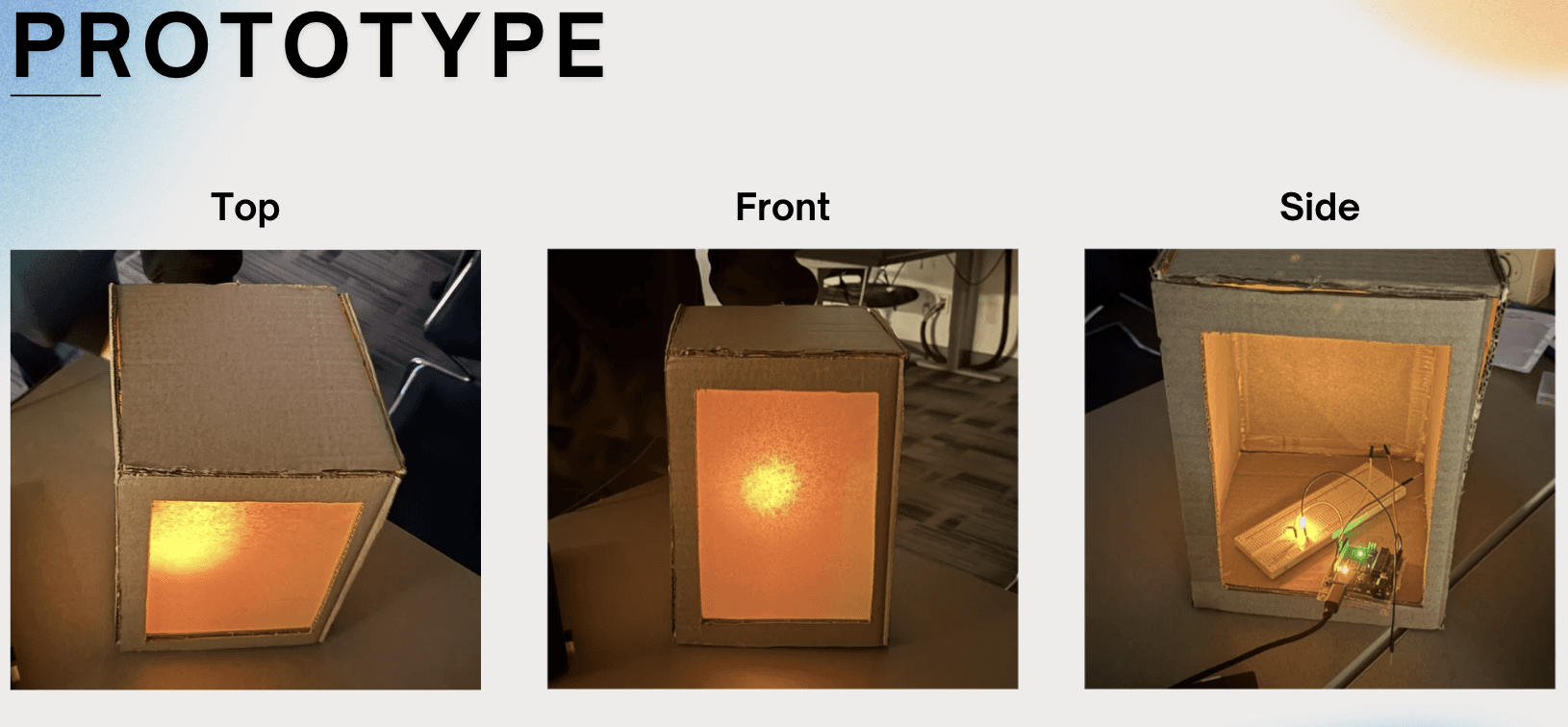
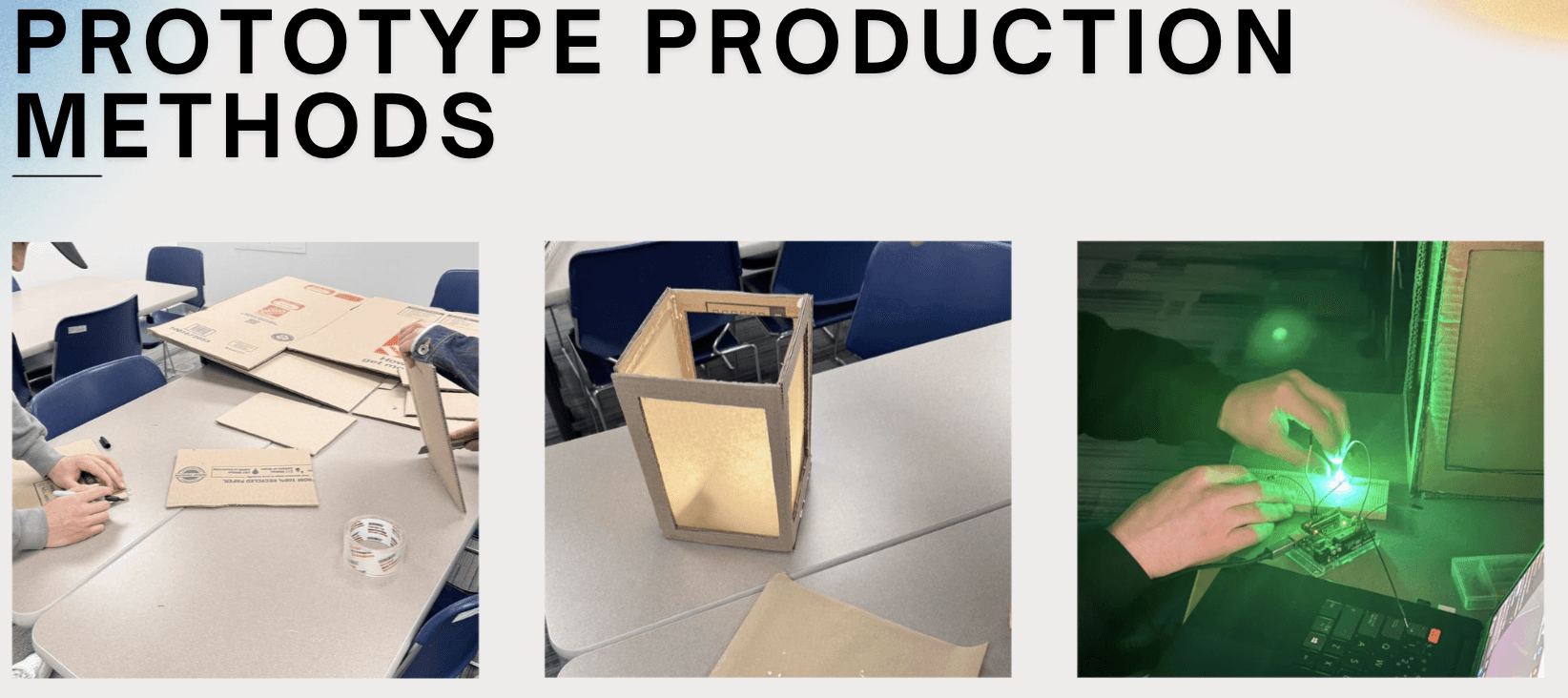
For SDP1 we built the first version of our motion dimming lamp. It was shaped like a paper lantern with a cardboard border and thin paper sides that diffused the light, and we wired it up with an Arduino, an LED, and an ultrasonic sensor so it would turn on when someone walked up to it. The main thing we accomplished was proving the concept worked. We took an idea about making poorly lit spots in Brantford safer and turned it into something physical you could actually stand in front of and watch react to you. We kept rewriting the code in small pieces and testing one thing at a time instead of trying to fix everything at once. For the frame we accepted that the cardboard was a temporary solution and made a note to switch materials in the next round.
Problem
Most of our challenges were technical, and pretty much all of them came from the Arduino side. Getting the code to read the sensor properly and translate that into a smooth brightness change took a lot more trial and error than we expected. The cardboard frame also gave us trouble because it was not very sturdy and it made the lantern look more like a school project than a real product.
Project Lessons
We learned that this kind of design is actually way more strategic than most people realize. You have to think about visual and auditory cues at the same time, and you also have to think about where these lamps would go around a city for them to actually help anyone. It is not just about making one lamp work, it is about imagining the whole environment around it. SDP1 pushed me to put myself in the shoes of someone who might feel unsafe walking at night, like a person looking for safe spots in a dark part of town. Designing for that kind of user changed how I think about the job. It made me realize UX is not just screens, it is also the physical spaces people move through and how those spaces make them feel.
Production methods
The lantern shape worked really well because the thin paper softened the LED into a warm glow instead of a harsh point of light, and that matched the calm welcoming feeling we were going for. The basic interaction also worked because people understood it right away without us having to explain anything.
Instant Assist
Have Siri place an order
while on-the-go.
Enjoy these concept ideas? Have a look at some of my other work!
NEW
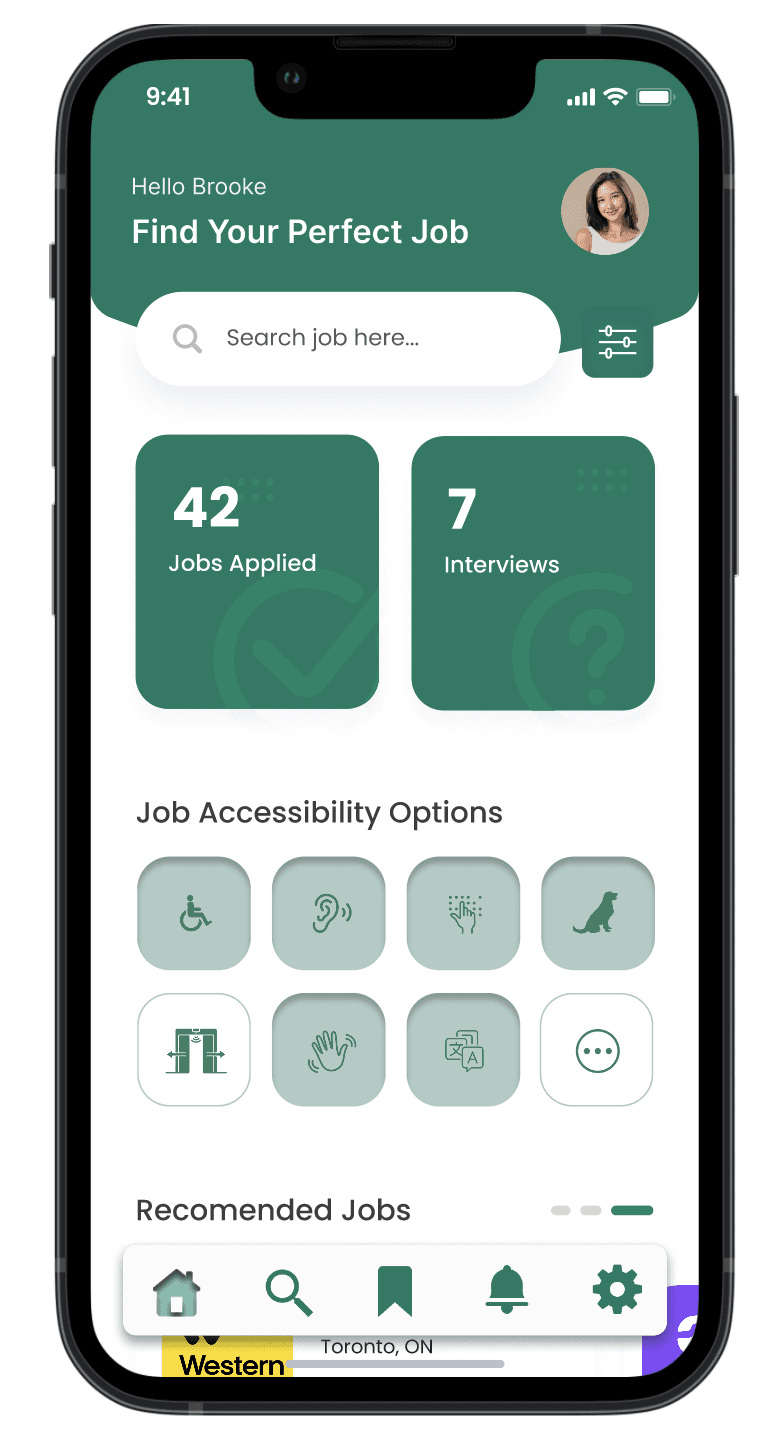
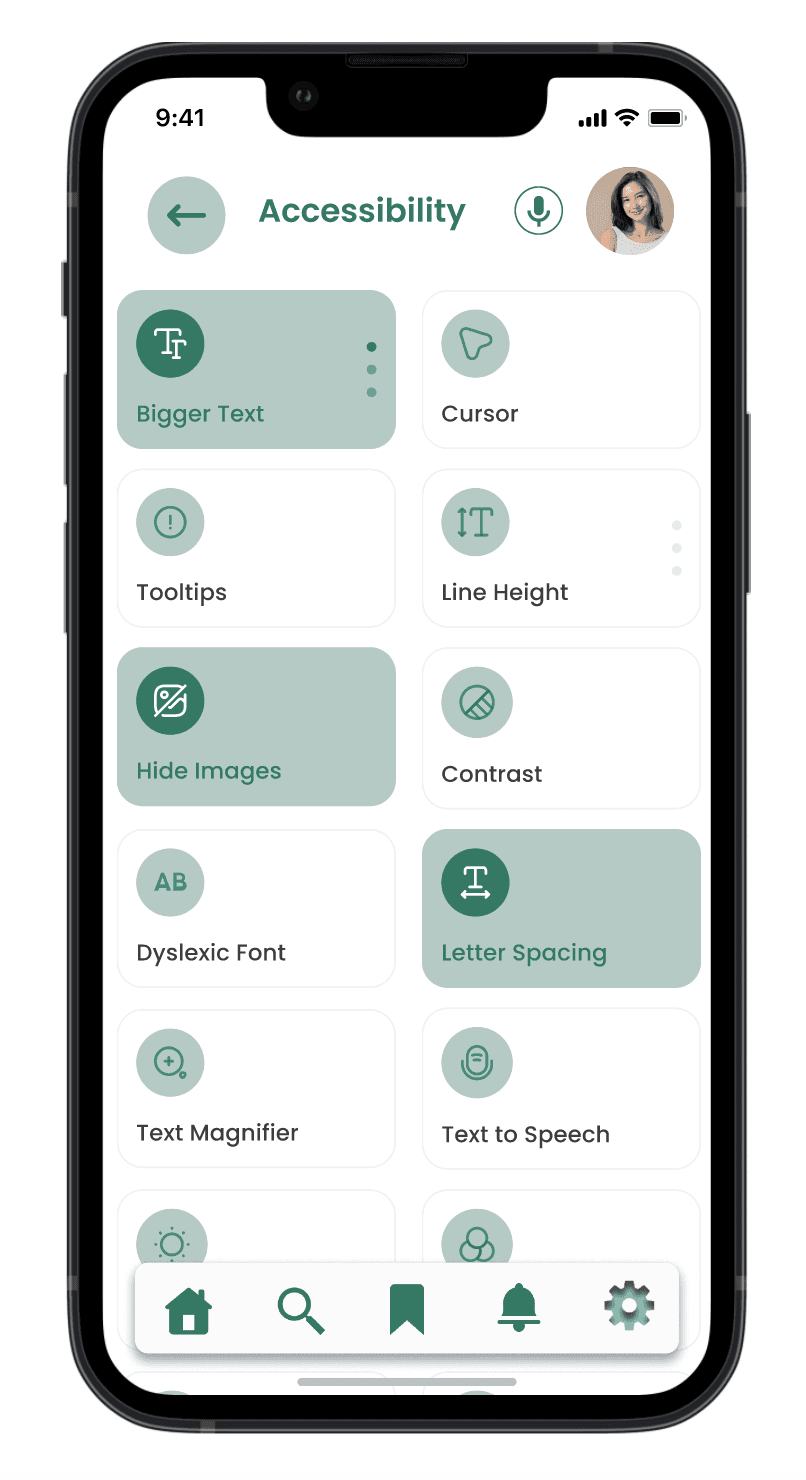
UX Case Study
•
DiversiHire

Based in Toronto, Ontario
Open to Relocation ✈️
Projects
Projects
Reach me at:
Follow Me:
© This site was designed and developed by Darryl Hawthorne 2026
darrylh1301@gmail.com

My Work
Maker Projects
Street Light
For SDP1 we built the first version of our motion dimming lamp. It was shaped like a paper lantern with a cardboard border and thin paper sides that diffused the light, and we wired it up with an Arduino, an LED, and an ultrasonic sensor so it would turn on when someone walked up to it. The main thing we accomplished was proving the concept worked. We took an idea about making poorly lit spots in Brantford safer and turned it into something physical you could actually stand in front of and watch react to you. We kept rewriting the code in small pieces and testing one thing at a time instead of trying to fix everything at once. For the frame we accepted that the cardboard was a temporary solution and made a note to switch materials in the next round.
Most of our challenges were technical, and pretty much all of them came from the Arduino side. Getting the code to read the sensor properly and translate that into a smooth brightness change took a lot more trial and error than we expected. The cardboard frame also gave us trouble because it was not very sturdy and it made the lantern look more like a school project than a real product.